Sustainable Yoga: Poses for Mind, Body, and Earth

Yoga is more than just a physical practice; it’s a holistic approach to well-being that connects the mind, body, and spirit. In recent years, the concept of sustainability has gained traction, prompting many to consider how their practices impact the planet. This blog post explores sustainable yoga, focusing on poses that nurture not only your body and mind but also the Earth.

Understanding Sustainable Yoga
Sustainable yoga integrates eco-friendly practices into the traditional yoga framework. This approach emphasizes mindfulness, not just in our actions but also in our choices regarding the environment. Here are some key principles of sustainable yoga:
Mindfulness: Being aware of your surroundings and the impact of your actions.
Eco-consciousness: Choosing sustainable materials for yoga gear and practicing in natural settings when possible.
Community: Engaging with local communities to promote environmental awareness and sustainability.
By adopting these principles, practitioners can enhance their yoga experience while contributing positively to the planet.
The Benefits of Sustainable Yoga
Engaging in sustainable yoga offers numerous benefits, including:
Physical Health: Regular practice improves flexibility, strength, and overall fitness.
Mental Clarity: Mindfulness practices reduce stress and enhance focus.
Environmental Impact: Choosing eco-friendly practices helps reduce waste and promotes a healthier planet.
Poses to Connect Mind, Body, and Earth
Here are some yoga poses that embody the principles of sustainable yoga. Each pose not only benefits your body but also encourages a deeper connection with the Earth.
1. Mountain Pose (Tadasana)
Benefits: This foundational pose promotes stability and grounding.
How to Practice:
Stand tall with your feet together, arms at your sides.
Distribute your weight evenly across your feet.
Engage your thighs and lift your chest while relaxing your shoulders.
Breathe deeply, feeling the connection between your body and the ground.
2. Tree Pose (Vrksasana)
Benefits: Enhances balance and concentration while fostering a connection to nature.
How to Practice:
Stand in Mountain Pose.
Shift your weight to one foot and place the sole of the opposite foot on your inner thigh or calf (avoid the knee).
Bring your hands to your heart or raise them overhead.
Focus on a point in front of you to maintain balance.
3. Warrior II (Virabhadrasana II)
Benefits: Builds strength and confidence while promoting awareness of your surroundings.
How to Practice:
Start in a standing position and step one foot back.
Bend your front knee while keeping your back leg straight.
Extend your arms parallel to the ground, gazing over your front hand.
Feel the strength of your legs and the energy of the Earth beneath you.
4. Downward-Facing Dog (Adho Mukha Svanasana)
Benefits: Stretches the entire body and encourages a sense of calm.
How to Practice:
Start on your hands and knees, then lift your hips up and back.
Keep your feet hip-width apart and press your heels toward the ground.
Relax your head between your arms and breathe deeply.
5. Child’s Pose (Balasana)
Benefits: Promotes relaxation and introspection, allowing for a moment of stillness.
How to Practice:
Kneel on the floor, bringing your big toes together and sitting back on your heels.
Extend your arms forward and lower your forehead to the ground.
Breathe deeply, allowing your body to relax into the pose.
Creating a Sustainable Yoga Practice
To fully embrace sustainable yoga, consider the following tips:
Choose Eco-Friendly Gear
Opt for yoga mats and props made from sustainable materials, such as natural rubber or jute. Avoid PVC mats, which are harmful to the environment.
Practice Outdoors
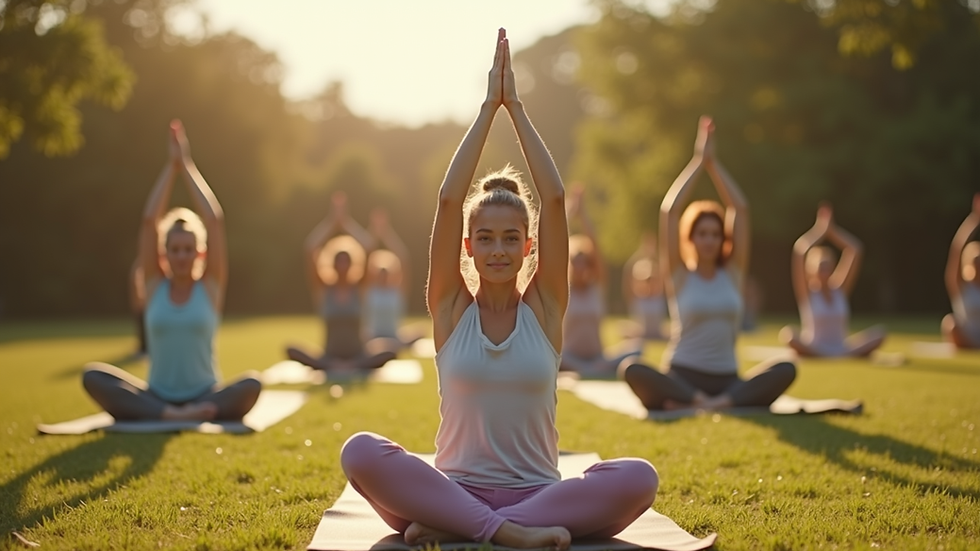
Whenever possible, take your practice outside. Nature provides a serene backdrop that enhances mindfulness and connects you to the Earth.
Support Local Studios
Choose to practice at local studios that prioritize sustainability. Many studios offer eco-friendly classes and events that promote environmental awareness.
Reduce Waste
Bring your own water bottle and towel to class to minimize single-use plastics. Consider carpooling or using public transportation to reduce your carbon footprint.
Mindfulness Beyond the Mat
Sustainable yoga extends beyond the physical practice. Here are ways to incorporate mindfulness into your daily life:
Mindful Eating: Choose locally sourced, organic foods to support sustainable agriculture.
Reduce, Reuse, Recycle: Be conscious of your consumption habits and strive to minimize waste.
Community Involvement: Participate in local environmental initiatives or volunteer for clean-up events.
Conclusion
Sustainable yoga is a powerful way to connect with yourself and the Earth. By incorporating eco-friendly practices into your routine, you can enhance your physical and mental well-being while contributing to a healthier planet. Remember, every small action counts. Start today by practicing these poses and embracing a more sustainable lifestyle.
As you roll out your mat, consider the impact of your practice not just on yourself, but on the world around you. Together, we can create a more mindful and sustainable future.

Comments